
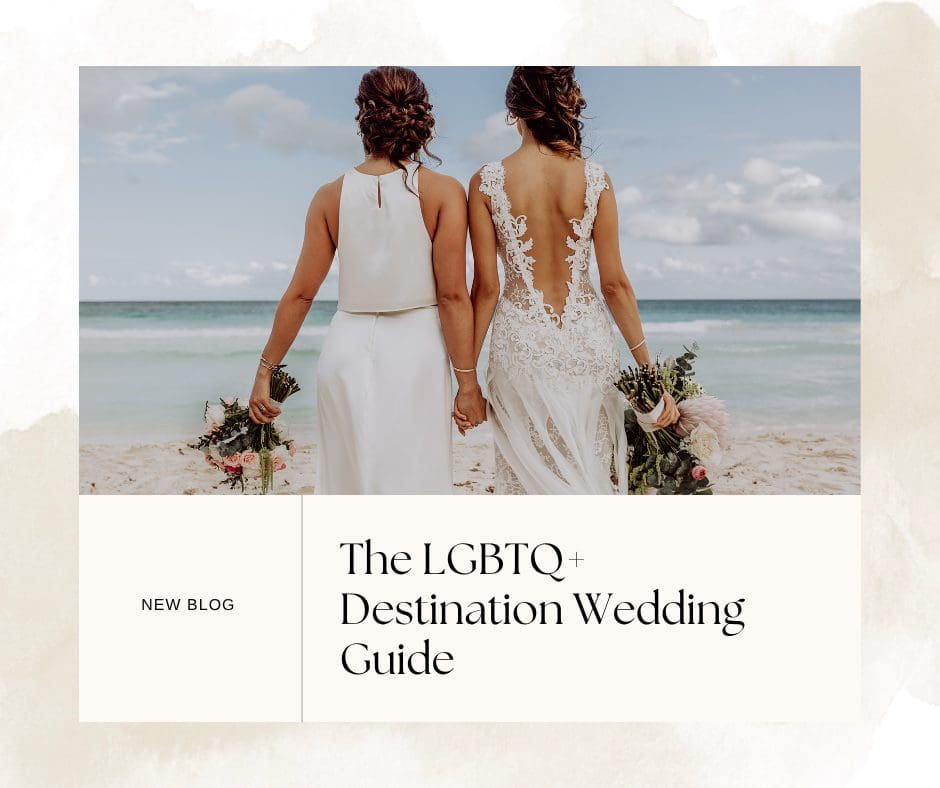
LGBTQ+ Destination Weddings: A Complete Planning Guide
LGBTQ+ Destination Weddings: Where to Marry, How to Choose, and What to Know
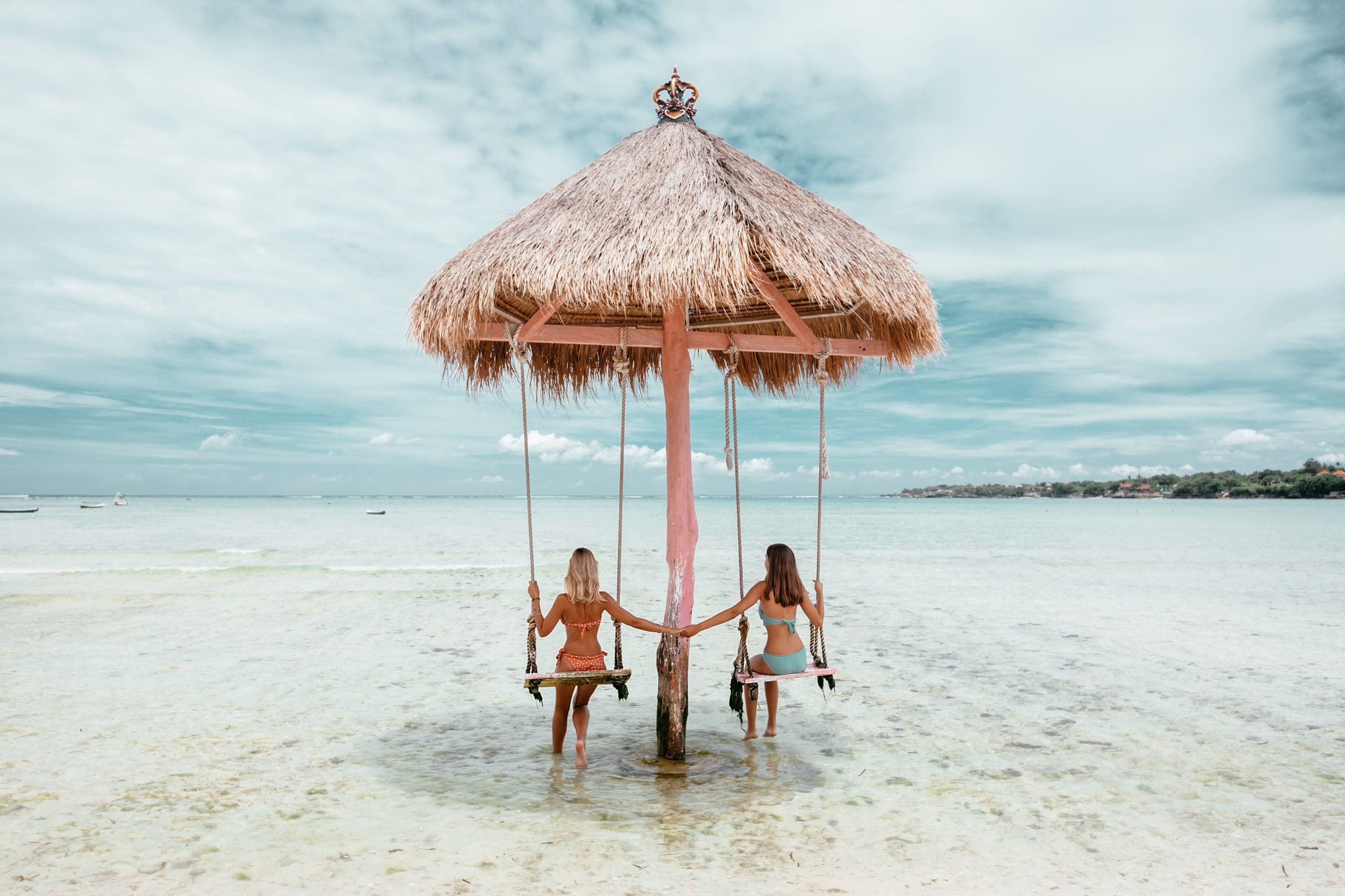
For a long time, LGBTQ+ couples planning a wedding had to weigh things other couples never think about. Will this venue actually be welcoming, or just polite about it? Is same-sex marriage even legal where we want to celebrate? A destination wedding quietly answers a surprising number of those questions at once — which is a big part of why so many same-sex couples are choosing to marry abroad.
This guide covers what actually matters: where you can legally marry, how to spot resorts that genuinely welcome you rather than ones that simply added a rainbow to the homepage, and how to plan a celebration that feels effortless. If you'd rather just talk it through with someone who plans these weddings all the time, we're here for that too — but let's start with the big picture. (New to destination weddings in general? Our destination wedding planning guide covers the fundamentals.)
Why a Destination Wedding Just Makes Sense
The appeal comes down to control and ease. You choose the setting, you choose the guest list, and you celebrate surrounded by the people who are genuinely happy for you — without navigating a hometown venue that may or may not be fully on board. At an all-inclusive resort, the ceremony, reception, lodging, and honeymoon all live in one place, handled by one wedding team, so you're not stitching together a patchwork of local vendors and hoping each one is as welcoming as the last.
- A setting you fully control. You pick a place where your relationship is celebrated, not merely tolerated.
- One team, one location. The resort's wedding office coordinates the details, so there's a single point of contact instead of a dozen vendors to vet.
- A built-in honeymoon. You're already in paradise — the celebration flows straight into your first days as newlyweds.
- Distance from anyone who isn't celebrating with you. A gentle, natural way to keep the day about the people who matter most.
Where Can You Legally Marry?
This is the question we hear first, and it's the one with the most outdated information floating around online — so let's be precise.
Mexico: legal, nationwide
Same-sex marriage is legal across all of Mexico, including every major wedding region — Riviera Maya, Puerto Vallarta, and Los Cabos. That means you can have a genuinely legal civil marriage at your destination, not only a symbolic one. Legal weddings in Mexico do come with specific requirements — an appointment with a local registrar, official document translations, and sometimes blood tests and witnesses — so they need more lead time and coordination. That's exactly where a specialist and the resort's wedding office earn their keep.
The Caribbean: a mixed and changing picture
The Caribbean is less uniform. Many islands do not currently perform or recognize same-sex marriage, so couples celebrating there typically hold a symbolic ceremony — every bit as beautiful and personal as a legal one — and handle the legal paperwork at home before or after the trip. A handful of destinations have changed their laws in recent years, and the landscape continues to shift.
"Marriage-equality law is still evolving in a number of destinations, so we confirm the current legal situation for your specific location at the time you book. Please treat the above as a general guide rather than a legal guarantee — verifying those details for you is part of the job."
If you're weighing your options, our guide to legal vs. symbolic ceremonies breaks down exactly what each one involves, so you can decide what fits your timeline and your preferences.
The Most Genuinely Welcoming Destinations & Resorts
"LGBTQ+ friendly" has become a marketing line, and not every resort that uses it has earned it. The distinction that matters is track record: Has this property actually hosted same-sex weddings? Does its wedding team use the right language without being asked? Will two grooms or two brides be celebrated, rather than merely accommodated? That's what "welcoming" should mean.
Puerto Vallarta deserves a special mention. It's one of the most LGBTQ+-friendly cities in all of Latin America, with a vibrant, long-established community centered on the Zona Romántica and a wedding infrastructure that's genuinely fluent in same-sex celebrations. For many of our couples, it's the first place we suggest — and we'll be publishing a dedicated Puerto Vallarta guide soon.
Beyond PV, both Riviera Maya and Los Cabos are home to resorts with strong reputations for inclusive weddings. Rather than hand you a generic "top ten" list that goes stale the moment a coordinator changes jobs, we match you to specific properties based on your style, your guest list, and your budget — because the best welcoming resort is the one that's genuinely right for the two of you.
"The real tell isn't the website — it's the wedding coordinator. On that first call, notice whether they naturally say 'the couple' and 'the two of you,' and whether they ask about both partners. A team that gets the language right without prompting is a team that will get your whole day right."
How to Vet a Truly Inclusive Resort
Whether you're working with us or looking on your own, here's the checklist we actually use when we're sizing up a property for a same-sex wedding:
- Ask how many same-sex weddings they've hosted. Real numbers beat vague reassurance.
- Listen to the language. Do they say "the couple," or default to "bride and groom"?
- Check the photography. Do their real wedding galleries actually include same-sex couples?
- Confirm the legal path in writing. Legal marriage, symbolic ceremony, or legalize-at-home — know which one you're getting.
- Look beyond the resort gates. A welcoming resort in an unwelcoming town isn't the full picture — the surrounding destination matters too.
"Welcoming shouldn't mean a rainbow on the homepage. It should mean a wedding team that has done this before and can't wait to do it for you."
Planning Tips for a Smooth LGBTQ+ Celebration
Most of the fundamentals are the same as any destination wedding, with a few that carry extra weight:
- Start early. Legal weddings especially need lead time for paperwork, translations, and registrar appointments — give yourself the runway.
- Set up a group room block. It makes booking simple for your guests and can unlock perks for you. Here's how wedding room blocks work.
- Communicate travel costs up front. Guests cover their own travel to a destination wedding — sharing that early keeps everyone comfortable. Our etiquette guide covers the who-pays-for-what conversation.
- Understand what your package actually includes. It's easy to over-assume — our breakdown of what's really included at an all-inclusive resort keeps expectations grounded.
- Lean on the resort's wedding coordinator. Once you've chosen a genuinely inclusive property, their team is your on-the-ground advocate.
Why an LGBTQ+-Savvy Specialist Matters
You could arrange all of this yourself. What a specialist who plans LGBTQ+ weddings regularly brings is a head start: we already know which resorts have the real track record, which destinations offer a legal path, and where the paperwork traps hide. We've had the awkward vetting conversations so you don't have to — and we'll never send you somewhere we wouldn't send our own friends.
One thing worth saying plainly: your room rate is identical to booking direct. Our planning fee covers two decades of expertise, not a markup on your stay. You get the guidance and the advocacy without paying more for the room itself.
Your Wedding, Celebrated the Way It Should Be
Let's find the destination and the resort that will treat your day as the celebration it is. Book a free consultation with a Bliss LGBTQ+ wedding specialist — your room rate is identical to booking direct.
Schedule Your Free Consultation →